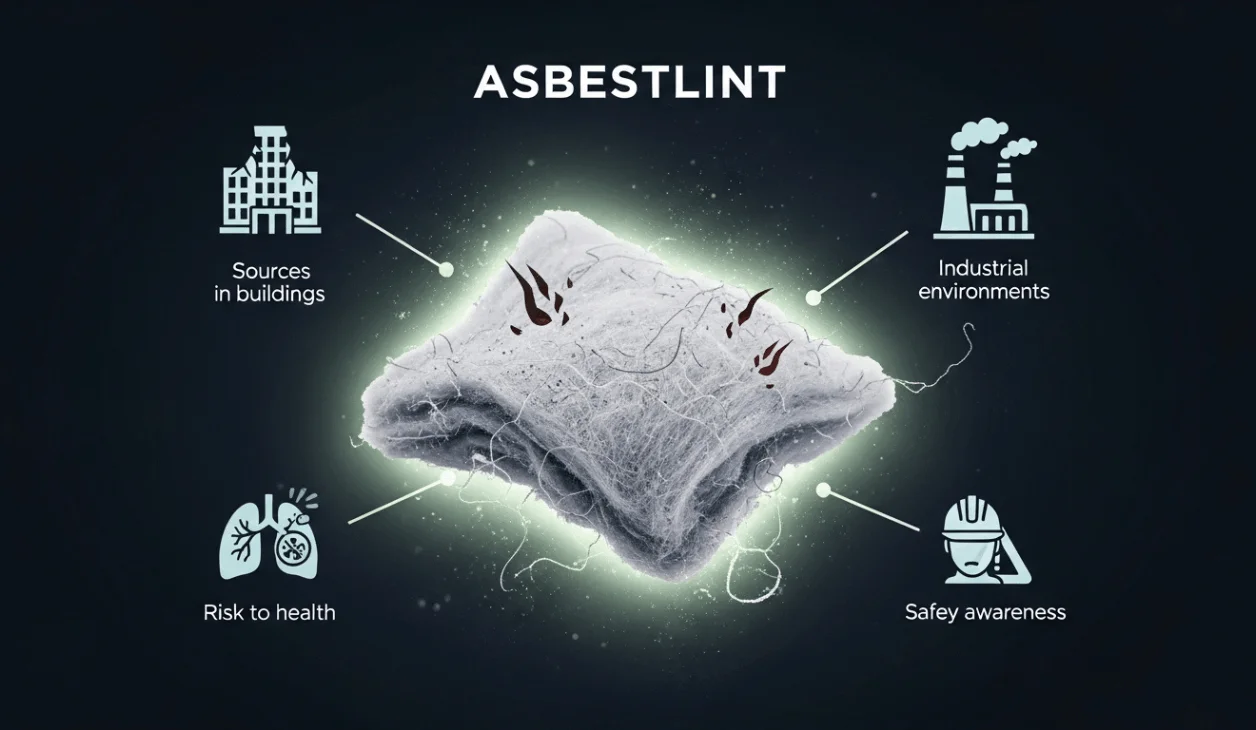
Asbestlint: Understanding Its Meaning, Risks, and Real-World Context
Introduction
Asbestlint is a term that is often associated with fine, fibrous particles that resemble lint but are linked to asbestos-like materials. Although the word is not commonly used in everyday language, it is increasingly appearing in discussions about construction materials, environmental safety, and industrial dust contamination. To fully understand asbestlint, it is important to look at how it forms, where it may be found, and why it matters in both health and environmental contexts.
In many cases, asbestlint is described as a microscopic or visible fiber-like residue that can be released when certain mineral-based or insulation materials degrade. Moreover, its presence often signals potential exposure to hazardous substances, making awareness essential.
What Exactly Is Asbestlint?
To put it simply, asbestlint refers to extremely fine fibrous particles that resemble lint or dust but are linked to asbestos-containing materials or similar mineral fibers. These fibers can become airborne when older construction materials break down or are disturbed.
In older buildings, insulation, roofing sheets, and pipe coverings may contain asbestos-based compounds. When these materials age or are damaged, they may release tiny fibers into the air. This is where the concept of asbestlint becomes relevant, as it describes the visible or semi-visible accumulation of these fibers in dust form.
Furthermore, the term is sometimes used informally in industrial settings to describe residue found during demolition or renovation work.
Where Can Asbestlint Be Found?
Asbestlint is most commonly associated with environments where older construction materials are present. For instance, it may be found in:
- Old residential or commercial buildings
- Industrial facilities with outdated insulation systems
- Warehouses containing legacy roofing materials
- Demolition and renovation sites
Additionally, asbestlint can appear in HVAC systems if contaminated dust circulates through air ducts. Over time, this dust can settle on surfaces, creating a fine layer that may go unnoticed without proper inspection.
However, it is important to note that not all dust in such environments is harmful. Still, when asbestos-containing materials are present, the risk of contamination increases significantly.
How Asbestlint Forms
The formation of asbestlint is generally the result of material degradation. Over time, asbestos-containing or similar fibrous materials begin to break apart due to physical wear, moisture, vibration, or chemical exposure.
As these materials deteriorate, they release microscopic fibers into the surrounding environment. These fibers can mix with household or industrial dust, eventually forming what is commonly referred to as asbestlint.
Moreover, human activities such as drilling, cutting, or demolition can accelerate this process. Consequently, disturbed materials release more fibers into the air, increasing the likelihood of accumulation.
Why Asbestlint Is Considered a Concern
One of the main reasons asbestlint is discussed seriously is due to its potential health implications. Fibrous particles from asbestos-like materials can remain airborne for long periods and may be inhaled without notice.
Although this article does not focus on medical guidance, it is widely understood that prolonged exposure to asbestos-related fibers has historically been linked to respiratory issues. Therefore, environments where asbestlint may be present require careful handling and monitoring.
In addition, regulatory agencies in many countries have strict guidelines for handling asbestos-containing materials to prevent airborne contamination. As a result, identifying asbestlint is often part of safety inspections in older buildings.
Identifying Asbestlint in Environments
Detecting asbestlint is not always straightforward because it can resemble regular dust or lint. However, there are some signs that may indicate its presence:
- Dust accumulation in areas with old insulation
- Visible fiber-like particles in air vents or corners
- Disturbance of aging construction materials
- Renovation activity in older structures
Despite these indicators, professional testing is usually required to confirm whether fibers are asbestos-related. Therefore, visual identification alone is not reliable for confirming asbestlint.
Safety Measures and Handling Awareness
When dealing with environments where asbestlint may exist, precautionary measures are extremely important. Although detailed procedures should always be handled by trained professionals, general awareness includes minimizing disturbance of old materials and avoiding unnecessary exposure to dust.
Additionally, proper ventilation, controlled renovation practices, and protective equipment are commonly used in professional settings to manage fiber release. These steps help reduce the risk of spreading asbestlint into the air.
Furthermore, regular inspection of older buildings plays a key role in preventing unexpected exposure. By identifying risky materials early, potential hazards can be managed more effectively.
Environmental and Industrial Impact
Beyond individual buildings, asbestlint also has broader environmental implications. When fibers are released into the air during large-scale demolition or industrial processes, they can spread beyond the original site.
This makes waste management and disposal procedures extremely important. In many regions, construction waste containing asbestos-like materials must be handled separately and disposed of in controlled facilities.
In industrial contexts, monitoring systems are often used to detect airborne fibers. As a result, the presence of asbestlint can influence safety protocols and environmental regulations.
Future Perspective on Asbestlint
As construction practices evolve, the occurrence of asbestlint is expected to decrease over time. Modern building materials are increasingly designed to be safer and more environmentally friendly, reducing reliance on hazardous fibers.
However, older infrastructure still exists in many parts of the world. Therefore, awareness of asbestlint remains relevant, especially in renovation, demolition, and industrial maintenance sectors.
In the future, improved detection technologies and stricter safety standards may further reduce exposure risks. Meanwhile, continued education and awareness will play a key role in managing environments where such fibers may still be present.
Conclusion
In summary, asbestlint is a term used to describe fine fibrous dust associated with asbestos-containing or similar materials. It typically forms when older construction materials degrade or are disturbed, releasing microscopic particles into the environment.
While it may not always be visible or immediately noticeable, its presence is often linked to aging infrastructure and industrial activity. Therefore, understanding Fibrolint is important for recognizing potential risks and promoting safer handling practices.
Ultimately, awareness, proper management, and preventive measures remain the most effective ways to deal with environments where asbestlint may be present.