Dichosity: Mastering the Balance of Opposites in Life
In today’s rapidly evolving world, new concepts and terms continue to emerge, shaping how we think, communicate, and innovate. One such intriguing term is dichosity. Although it may not yet be widely recognized, dichosity carries a depth of meaning that can be applied across various disciplines, from philosophy to technology. By exploring dichosity, we can better understand how dual elements interact, coexist, and influence one another.
What Is Dichosity?
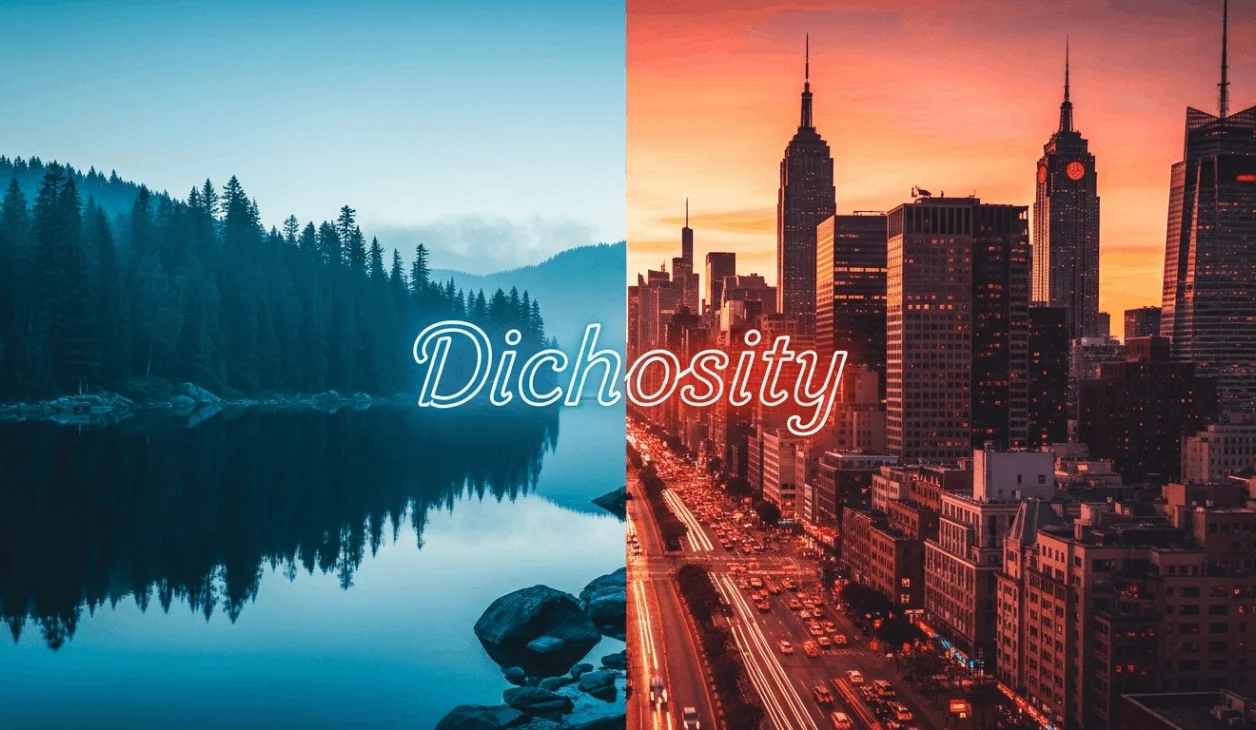
At its core, dichosity refers to the presence or interaction of two contrasting or complementary elements within a single system or concept. Unlike simple duality, which often highlights opposition, dichosity emphasizes the balance, tension, and harmony between these elements. In other words, dichosity is not just about difference—it is about connection and interdependence.
For instance, consider light and darkness. While they appear to be opposites, they define and enhance each other. This relationship perfectly illustrates dichosity, where two seemingly conflicting forces work together to create meaning.
The Origins and Conceptual Depth of Dichosity
Although the term dichosity may feel modern, its underlying idea has roots in ancient thought. Philosophers have long discussed the balance between opposing forces, such as logic and emotion or order and chaos. However, dichosity goes a step further by focusing on how these elements coexist rather than simply oppose each other.
Moreover, dichosity can be seen as a dynamic concept. It evolves depending on context, making it highly adaptable. This flexibility allows it to be applied in various fields, including psychology, design, business, and even everyday decision-making.
Dichosity in Everyday Life
Interestingly, dichosity is not just a theoretical idea—it plays a significant role in our daily experiences. For example, people often balance work and personal life. These two aspects can seem conflicting, yet they are deeply interconnected. Achieving harmony between them is a practical application of dichosity.
Similarly, emotions such as happiness and sadness often coexist. While they may appear contradictory, both are essential for a complete human experience. Therefore, understanding dichosity can help individuals embrace complexity rather than avoid it.
The Role of Dichosity in Decision-Making
When it comes to decision-making, dual harmony offers a valuable perspective. Many choices involve weighing two sides, such as risk versus reward or short-term gains versus long-term benefits. Instead of viewing these options as mutually exclusive, dual harmony encourages a more balanced approach.
For instance, a business leader might need to choose between innovation and stability. Rather than prioritizing one over the other, dual harmony suggests integrating both to achieve sustainable growth. Consequently, this mindset leads to more thoughtful and effective decisions.
Dichosity in Creative Fields
Creativity thrives on contrast, and this is where dual harmony truly shines. Artists, writers, and designers often rely on opposing elements to create compelling work. Light and shadow in photography, silence and sound in music, or minimalism and complexity in design—all reflect the essence of dual harmony .
Furthermore, dual harmony can inspire innovation. By combining contrasting ideas, creators can produce something entirely new and unique. This blending of opposites often leads to breakthroughs that would not be possible through a single perspective.
Dichosity in Technology and Innovation
In the realm of technology, dual harmony plays a crucial role in shaping advancements. For example, modern systems often balance speed and accuracy, security and accessibility, or automation and human control. These pairs may seem conflicting, yet successful technologies find ways to integrate them.
Additionally, dual harmony is evident in user experience design. Developers must consider both functionality and simplicity, ensuring that products are powerful yet easy to use. As a result, understanding dual harmony can lead to more effective and user-friendly innovations.
Challenges of Embracing Dichosity
Despite its benefits, embracing dual harmony is not always easy. People naturally tend to favor one side of a situation, often overlooking the value of the other. This tendency can lead to imbalance and missed opportunities.
However, by consciously recognizing dual harmony , individuals and organizations can overcome this challenge. It requires openness, critical thinking, and a willingness to accept complexity. Over time, this approach can lead to greater adaptability and resilience.
Why Dichosity Matters Today
In an increasingly complex world, dual harmony offers a powerful framework for understanding and navigating challenges. Whether in personal growth, professional development, or societal issues, the ability to balance opposing elements is more important than ever.
For example, global challenges often involve competing priorities, such as economic growth and environmental sustainability. By applying dichosity, it becomes possible to find solutions that address both concerns rather than choosing one at the expense of the other.
Practical Ways to Apply Dichosity
To make the concept of dual harmony more actionable, consider the following approaches:
- Embrace multiple perspectives: Instead of focusing on a single viewpoint, explore different angles to gain a more complete understanding.
- Seek balance: Identify areas in your life or work where opposing forces exist and strive to harmonize them.
- Think creatively: Use contrast as a tool to generate new ideas and solutions.
- Stay flexible: Recognize that dichosity is dynamic and may change depending on the situation.
By incorporating these strategies, you can harness the power of dual harmony in meaningful ways.
Conclusion
In conclusion, dichosity is a fascinating and versatile concept that highlights the interplay between contrasting elements. Rather than viewing differences as obstacles, dichosity encourages us to see them as opportunities for growth, creativity, and balance. From everyday decisions to complex innovations, this idea provides a valuable framework for navigating the modern world.
Ultimately, understanding dichosity allows us to move beyond simple either-or thinking and embrace a more nuanced perspective. As a result, we can make better decisions, foster creativity, and build more harmonious systems in both our personal and professional lives.