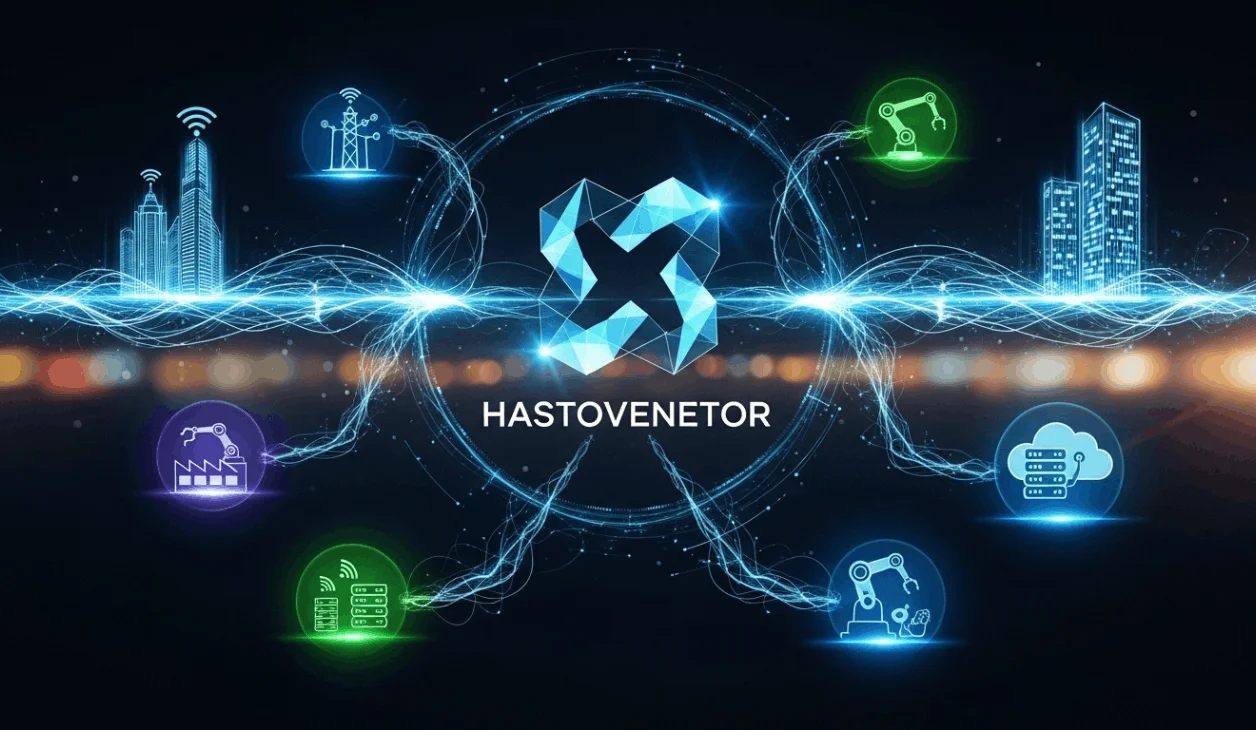
Hastovenetor Concept: Integration, Automation, and Intelligence
In today’s rapidly evolving digital world, new concepts and technologies are constantly reshaping how people interact with systems, data, and automation. One emerging idea that has started gaining attention is Hastovenetor. Although still a developing and abstract term, Hastovenetor represents a powerful vision of integrated digital intelligence designed to improve efficiency, connectivity, and user experience across multiple platforms. As organizations continue to adopt smarter solutions, Hastovenetor is becoming a symbolic framework for next-generation innovation.
Interestingly, Hastovenetor is not just a technical idea but also a conceptual approach that blends automation, adaptive learning, and data-driven decision-making. Because of this, many analysts believe that Hastovenetor could play a key role in shaping future digital ecosystems. Moreover, its flexible nature allows it to be applied in different industries, making it a versatile and forward-thinking innovation model.
What is Hastovenetor?
To understand the concept clearly, it is important to first define what Hastovenetor actually represents. At its core, Hastovenetor is a theoretical digital framework that focuses on integrating intelligent systems into unified networks. In simple terms, Hastovenetor works as a model that connects data processing, automation tools, and user interaction into a seamless structure.
Furthermore, Hastovenetor is designed to reduce complexity in digital environments by streamlining operations. Instead of using separate systems for different tasks, Hastovenetor brings everything together under a centralized approach. As a result, it improves efficiency and reduces operational delays.
In addition, Hastovenetor emphasizes adaptability. This means the system can adjust based on user behavior, environmental changes, and real-time data inputs. Consequently, Hastovenetor becomes more intelligent over time, learning from interactions and improving its performance continuously.
Key Features of Hastovenetor
One of the most important aspects of Hastovenetor is its unique set of features that make it stand out from traditional digital systems. First of all, it offers high-level integration capabilities, allowing different platforms to communicate effortlessly. This ensures smooth data transfer and reduces the risk of system errors.
Moreover, Hastovenetor includes intelligent automation, which minimizes the need for manual input. As a result, businesses can save time and resources while improving accuracy. Additionally, its real-time processing ability ensures that decisions are made quickly and efficiently.
Another significant feature is scalability. Whether used in small applications or large enterprise systems, Hastovera can expand without losing performance quality. Therefore, it is suitable for both startups and large organizations looking for flexible solutions.
Benefits of Using Hastovenetor
The advantages of implementing Hastovera are both practical and strategic. To begin with, it significantly improves productivity by automating repetitive tasks. This allows teams to focus on more important and creative work instead of manual processes.
Furthermore, Hastovera enhances decision-making by providing accurate and real-time insights. Since it processes large volumes of data efficiently, users can rely on it for better strategic planning. In addition, it reduces operational costs by eliminating unnecessary system redundancies.
Another major benefit is improved user experience. Because Hastovera is designed with adaptability in mind, it creates personalized interactions based on user preferences. Consequently, this leads to higher satisfaction and engagement levels across digital platforms.
How Hastovenetor Works
The working mechanism of Hastovenetor is based on interconnected layers of digital intelligence. Initially, it collects data from multiple sources such as applications, devices, and user inputs. After that, the system processes this information using advanced algorithms.
Next, Hastovera analyzes patterns and identifies meaningful insights. Through this process, it can detect trends, predict outcomes, and optimize performance. Moreover, the system continuously updates itself using feedback loops, which allows it to improve over time.
Finally, the processed data is used to execute automated actions or support decision-making processes. This entire workflow ensures that Hastovenetor operates smoothly while maintaining accuracy and speed.
Applications of Hastovenetor in Modern Industries
The applications of Hastovenetor are wide-ranging and highly impactful. In the business sector, it can be used to improve customer relationship management, automate workflows, and enhance data analytics. As a result, companies can achieve higher efficiency and better performance outcomes.
In the healthcare industry, Hastovera can support patient data management and predictive diagnostics. By analyzing medical records and patterns, it can help doctors make more informed decisions. Additionally, it can improve hospital operations by optimizing scheduling and resource allocation.
Similarly, in the education sector, Hastovera can create personalized learning experiences for students. It can adapt content based on individual learning speeds and preferences, making education more effective and engaging. Moreover, it can assist educators in tracking student progress more accurately.
Future Potential of Hastovenetor
Looking ahead, the potential of Hastovera appears extremely promising. As technology continues to advance, systems like Hastovenetor are expected to become more intelligent and autonomous. This means they will require less human intervention while delivering higher levels of performance.
In the future, Hastovera could also integrate with artificial intelligence, machine learning, and Internet of Things (IoT) technologies. Consequently, this would create a fully connected digital ecosystem capable of self-optimization. Furthermore, industries may rely heavily on such systems to maintain competitiveness in a fast-changing digital landscape.
However, it is also important to consider ethical and security aspects. As Hastovera evolves, ensuring data privacy and system transparency will be essential. Therefore, developers and organizations must work together to build responsible implementations.
Conclusion
In conclusion, Hastovenetor represents a forward-thinking concept that combines automation, intelligence, and integration into a single framework. From improving efficiency to enhancing user experiences, its potential applications are vast and transformative. Although still conceptual in nature, Hastovera is steadily becoming a symbol of future digital innovation.
As more industries explore advanced technologies, Hastovenetor will likely continue to evolve and influence how systems are designed and operated. Ultimately, its ability to adapt, learn, and optimize makes it a powerful idea that could redefine the future of digital ecosystems.